
Workshop Recap: Our WA work + Adrianne Shropshire
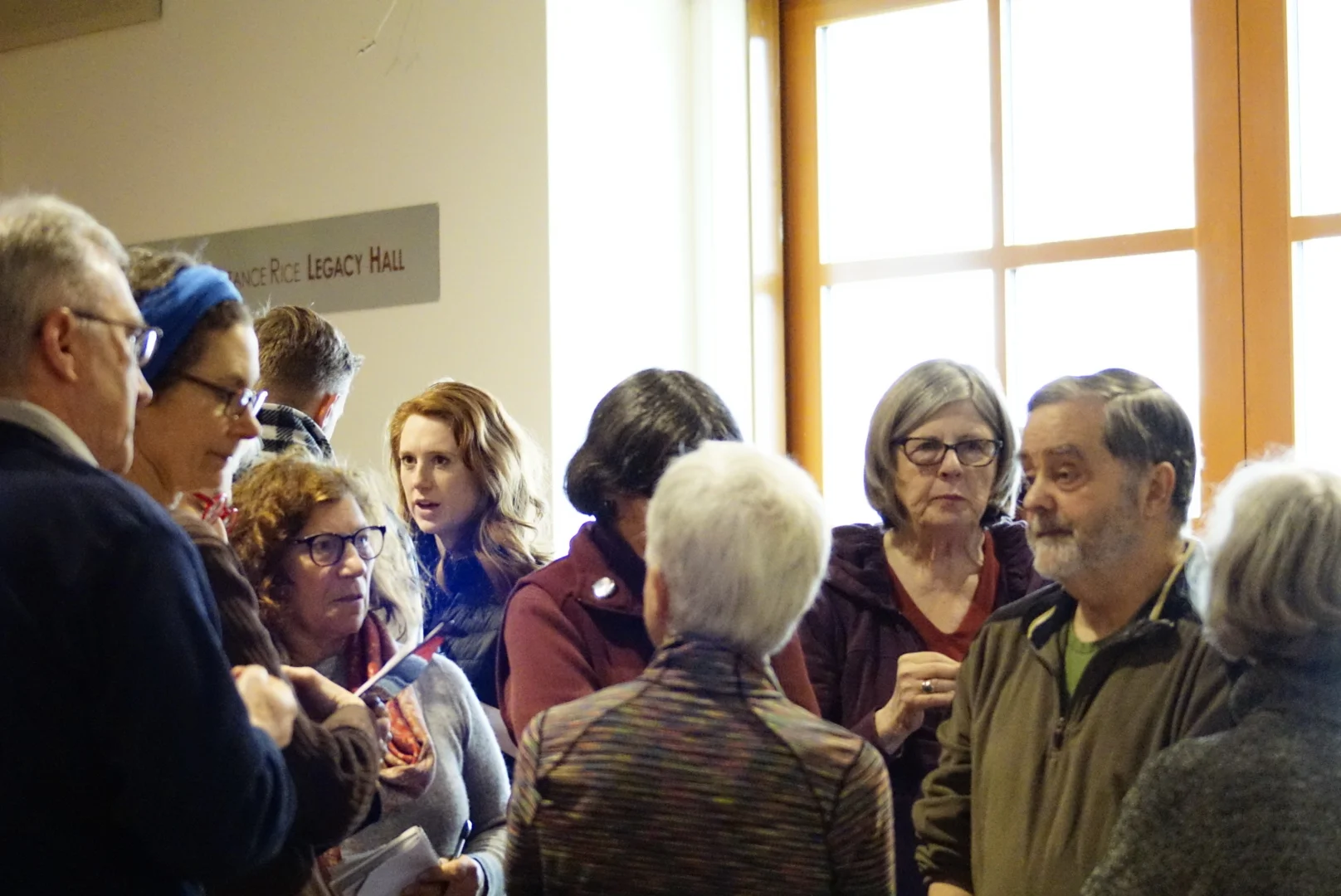
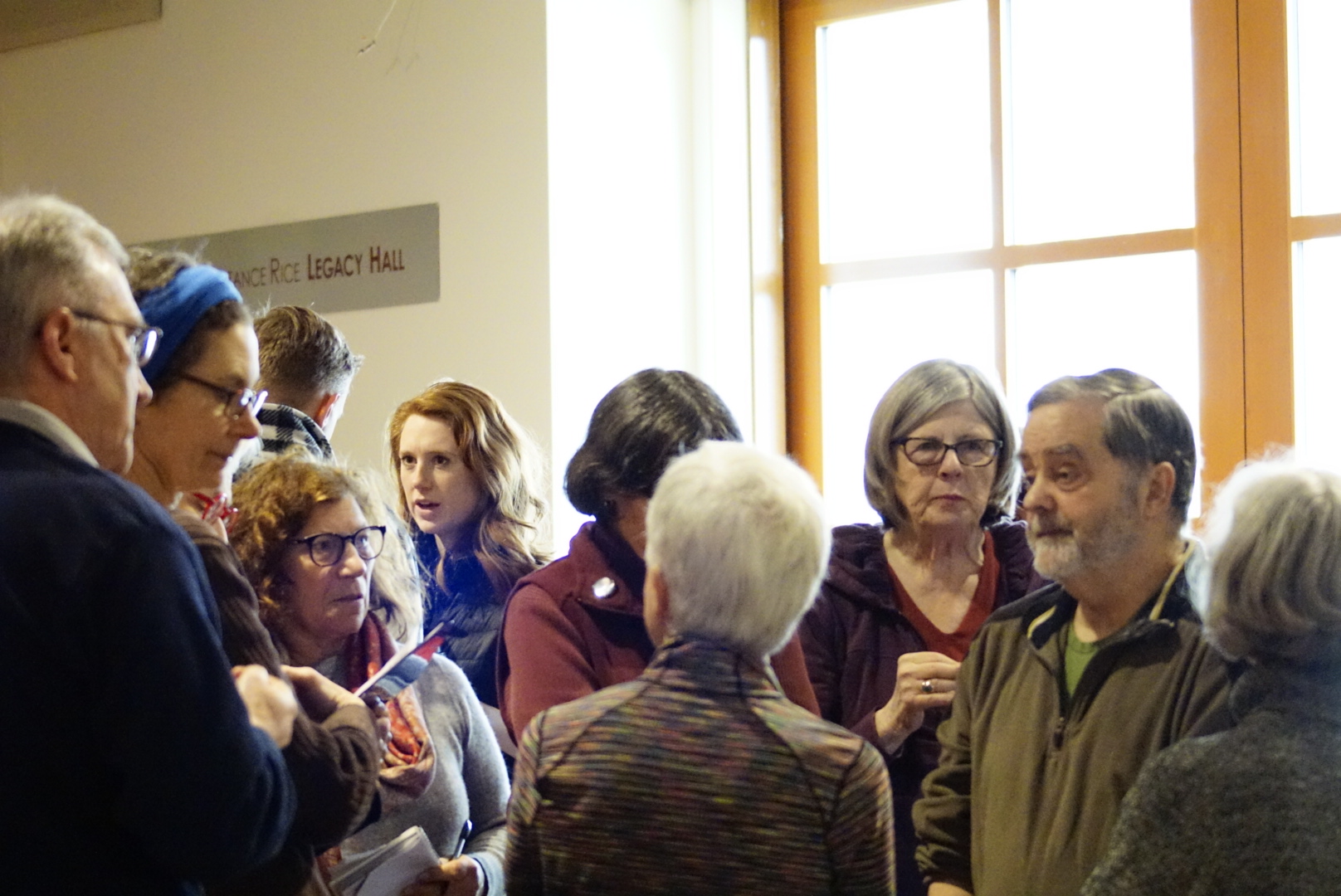
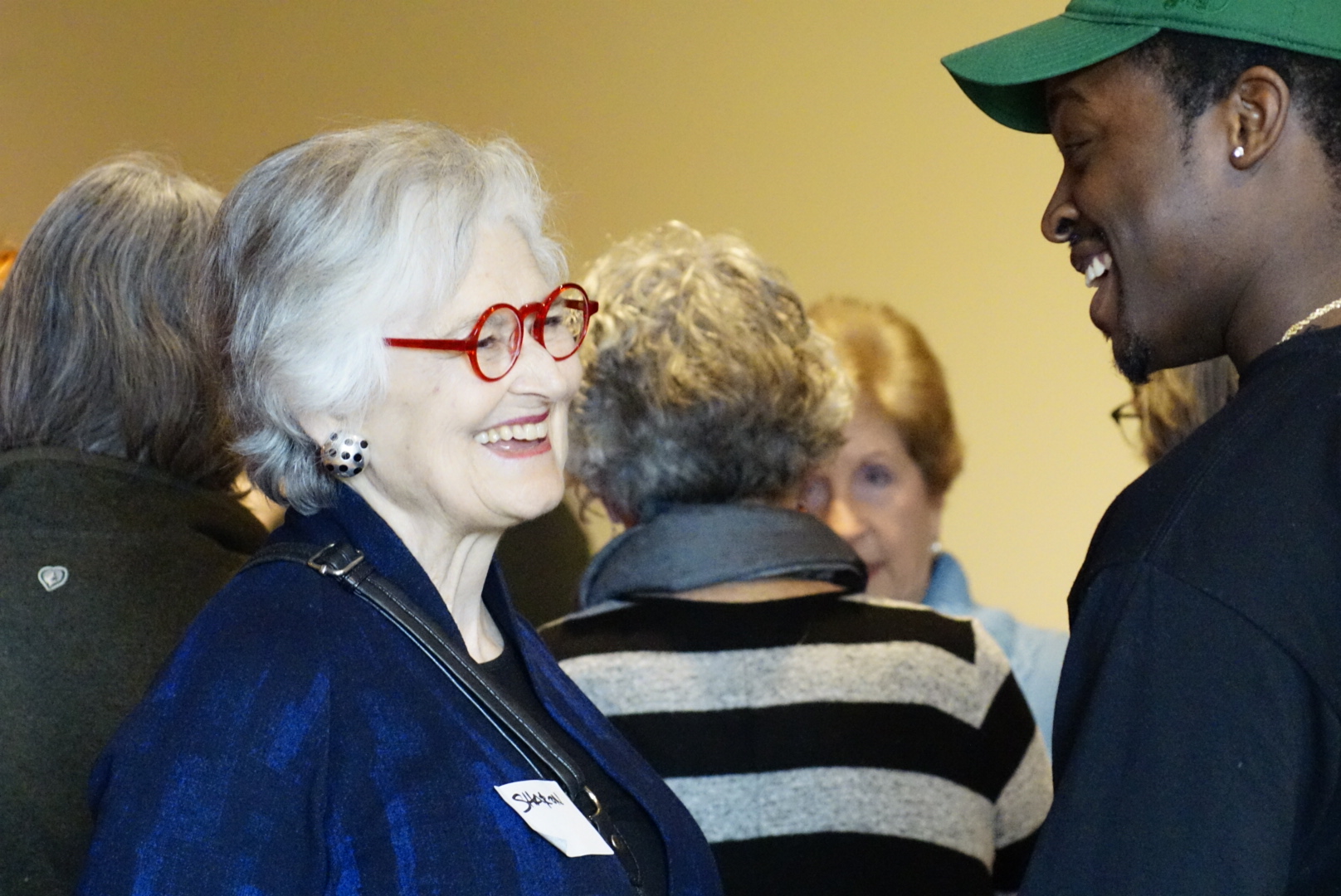
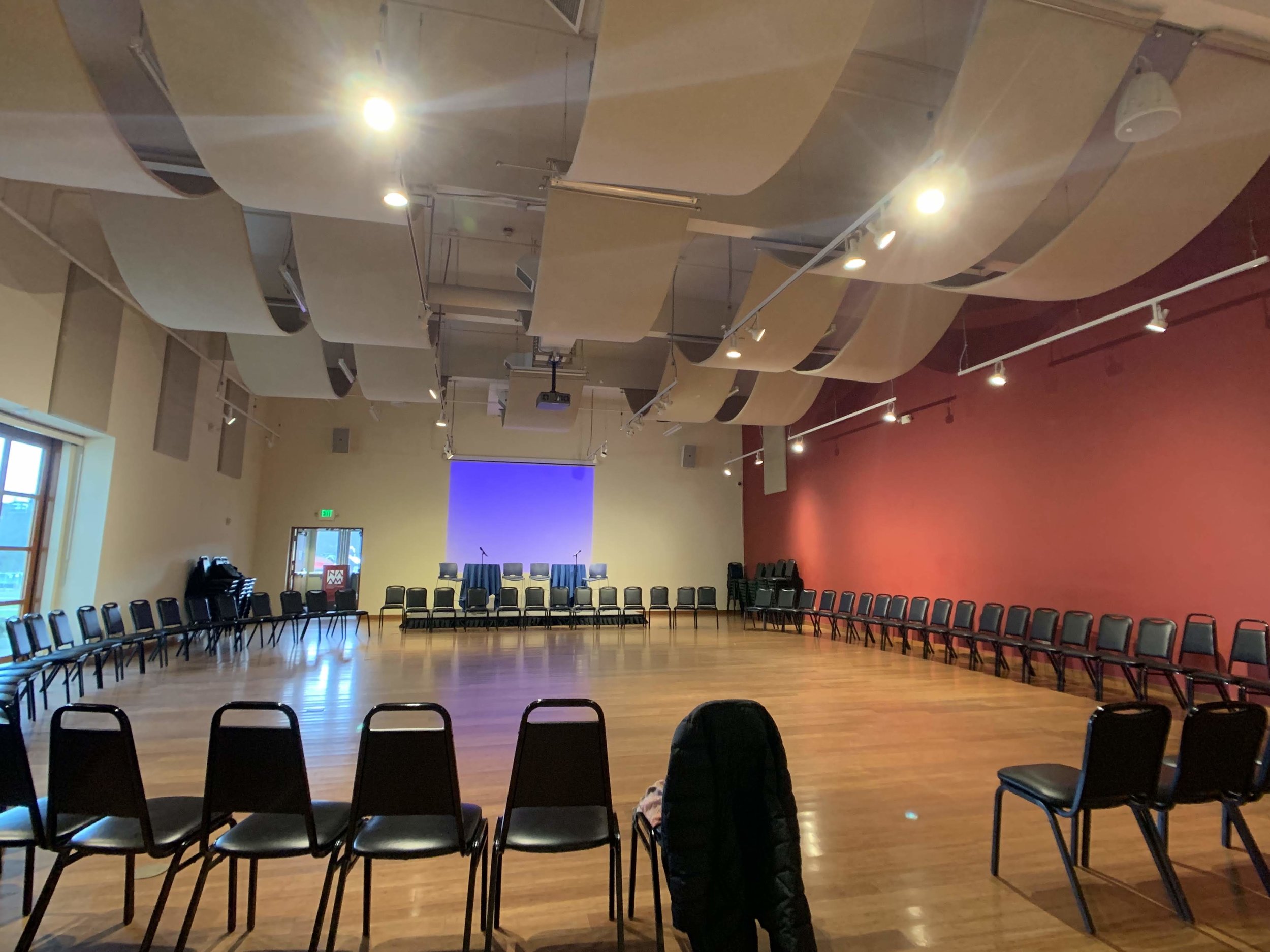
The first of what we hope to be many events held at the Northwest African American Museum brought sunshine, a new level of engagement and two special guests to our community.
A few highlights:
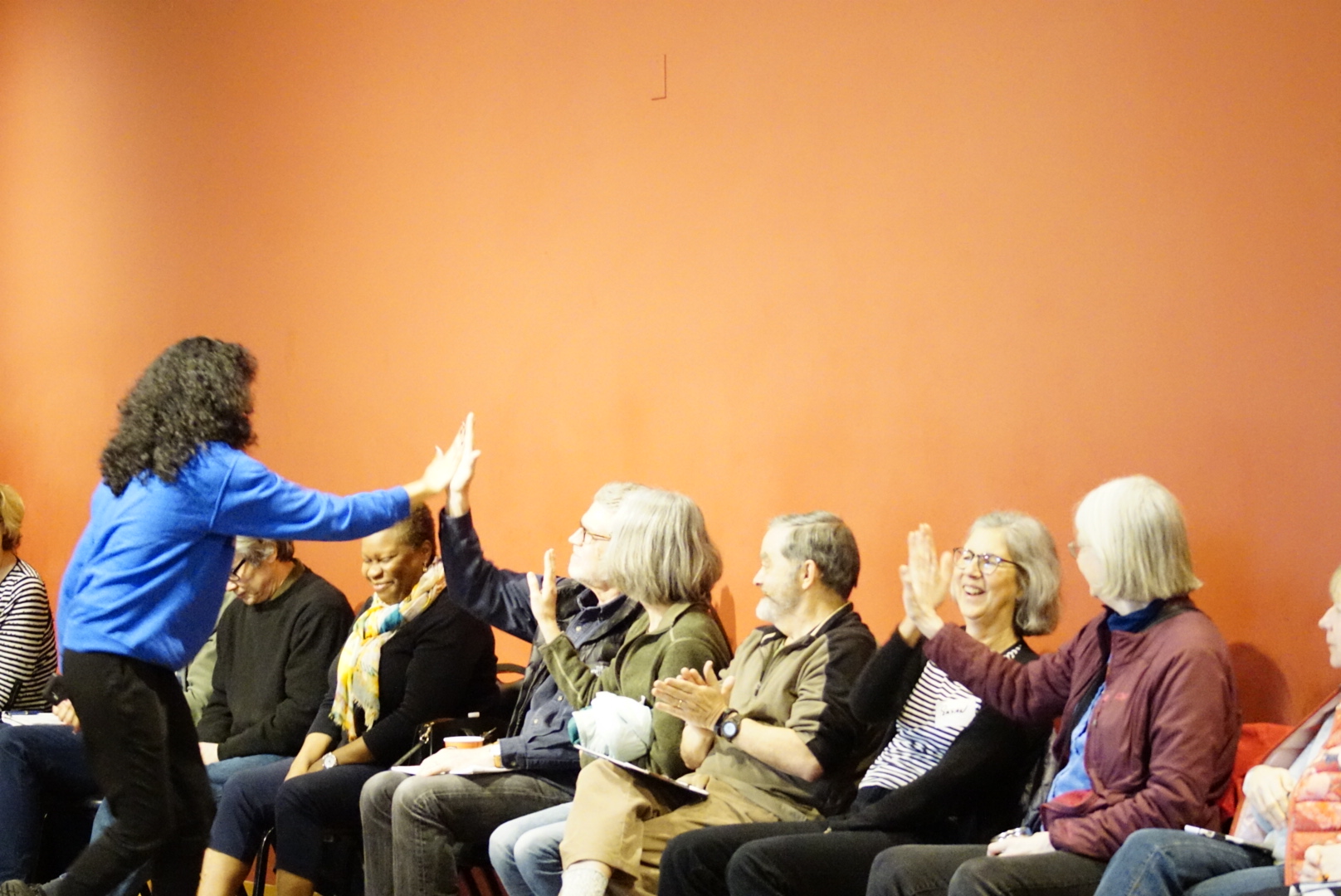
We: The Audreys (Audrey Musewe and Audrey Vaughan) opened us up with an interactive activity focused on the power of “We” both in our personal experiences and within Common Purpose.
Accountability: Jamielyn led us through updates on our Washington State Accountability Initiative for the Spring, along with highlights from the Captains who are assisting with the effort.
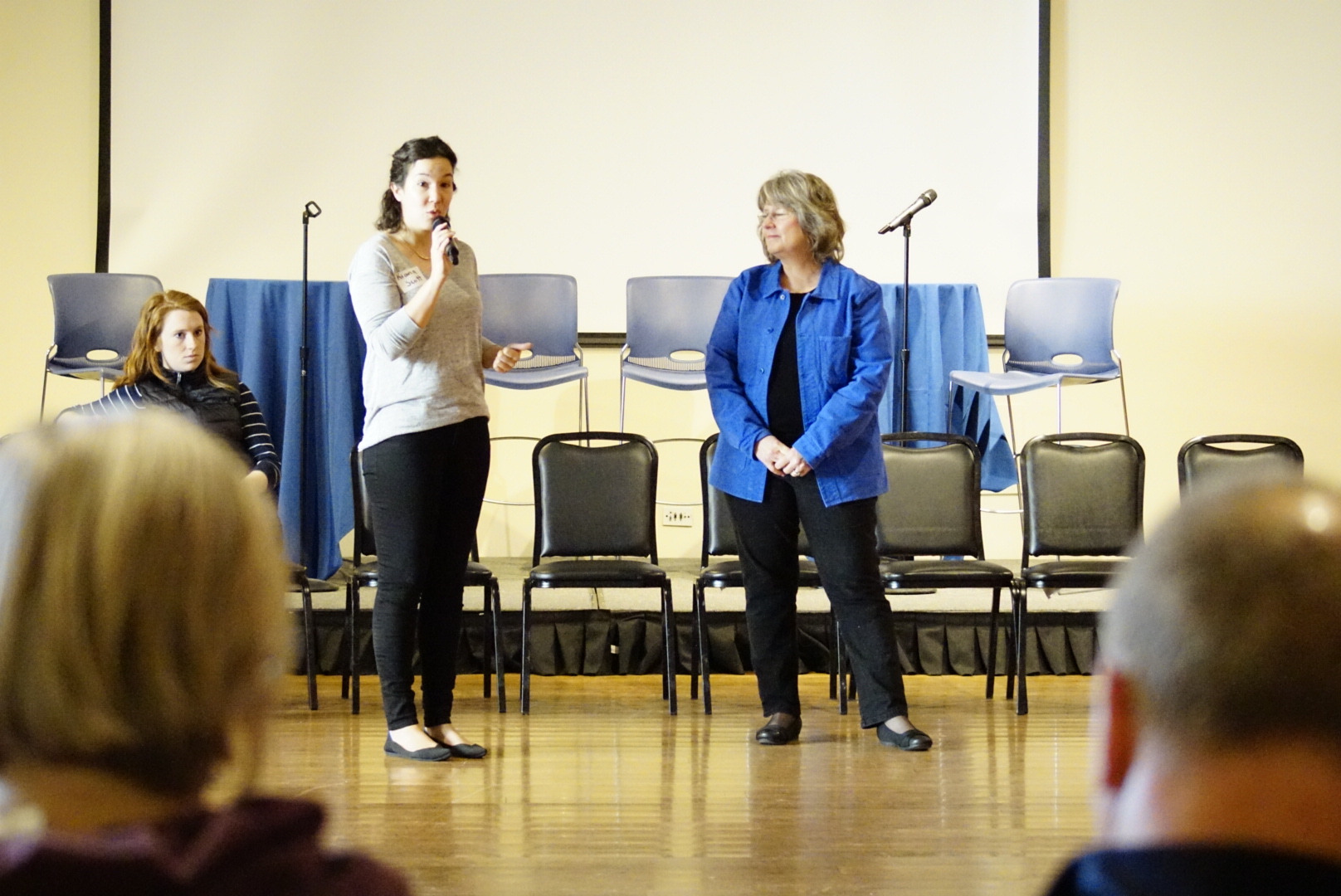
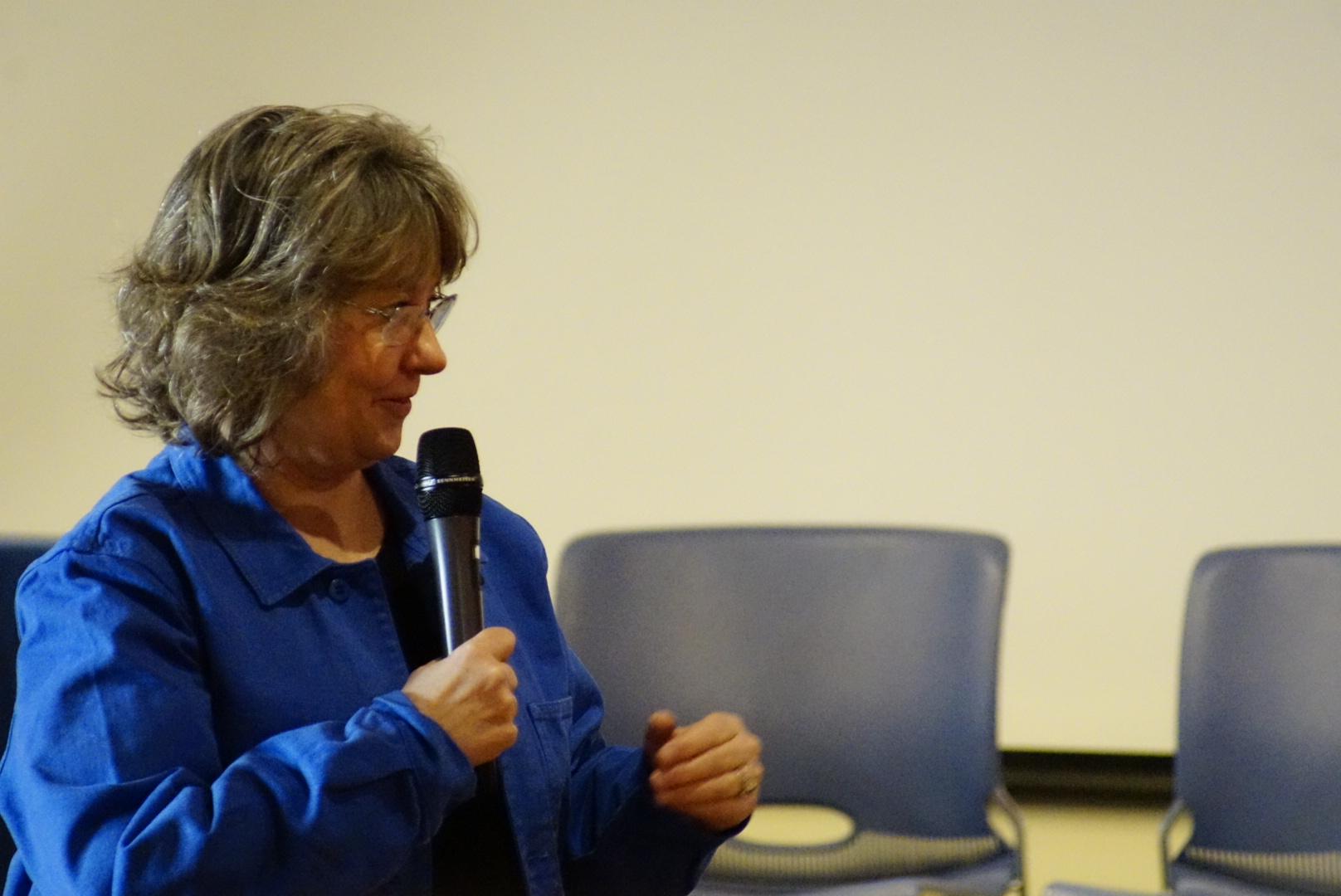
Represent: Common Purpose Advisor Kiana Scott welcomed State Rep Gale Tarleton as they closed out the WA-focused Accountability segment by reinforcing the power of contacting our elected officials directly.
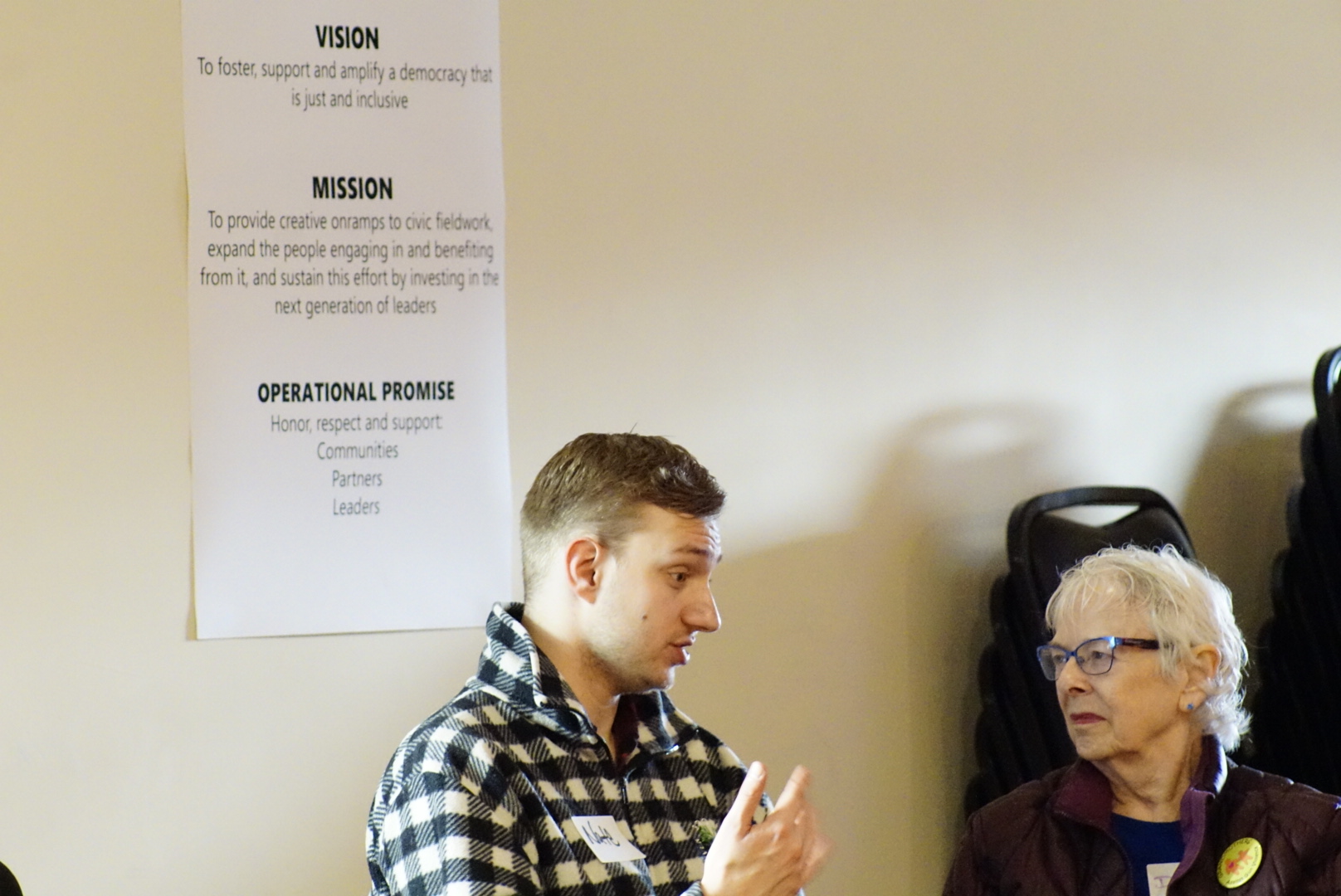
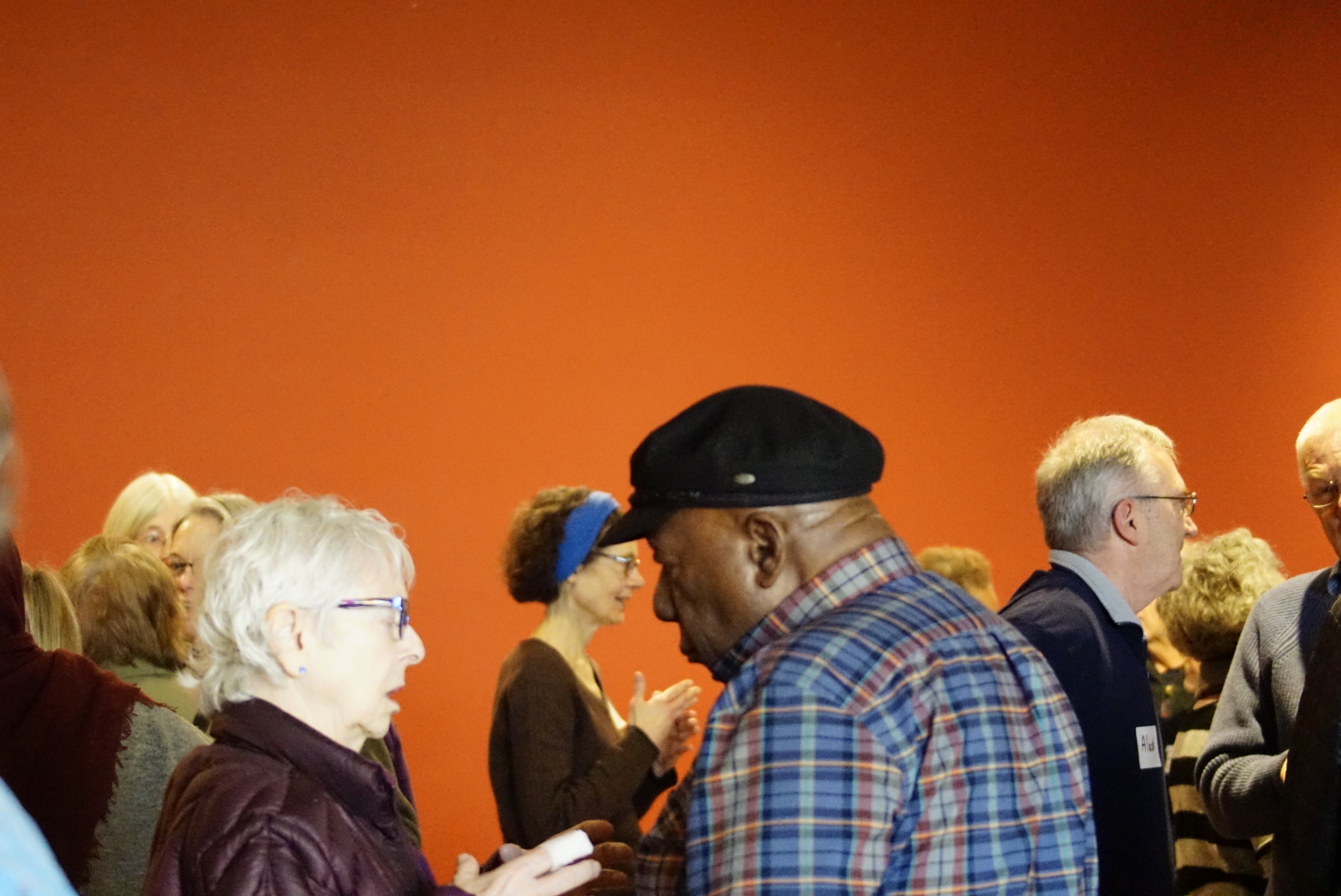
Caucus: Continuing on-the-ground civic fieldwork as our major focus (even in electoral off-cycle years), we held our “mini-caucus” for CPers to speak directly with State Captains leading teams to Virginia, Florida and Wisconsin (sign ups here), as well as WA Accountability Captains and a local 2020 Census expert. All great avenues for individuals to make an impact locally or nationally.
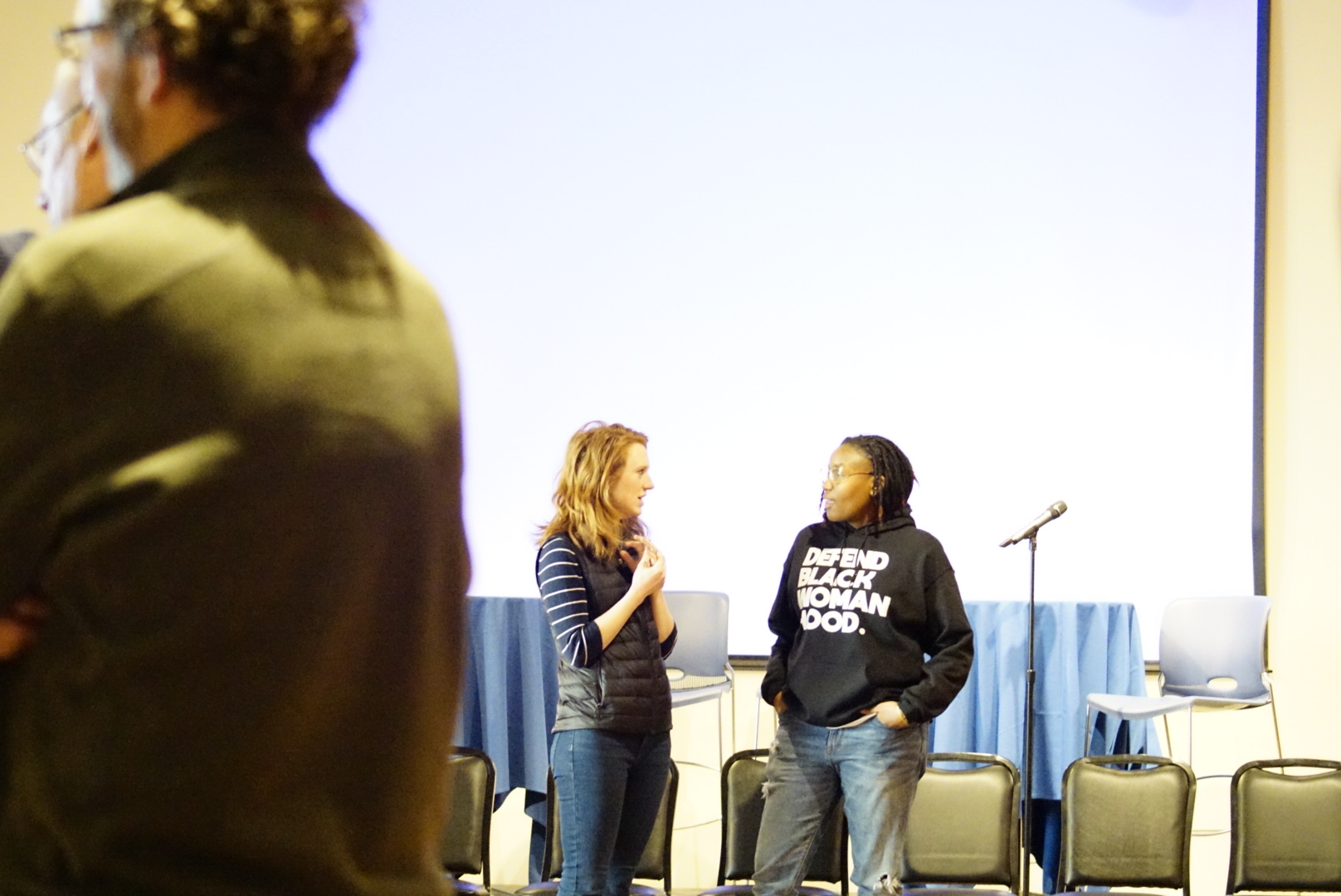
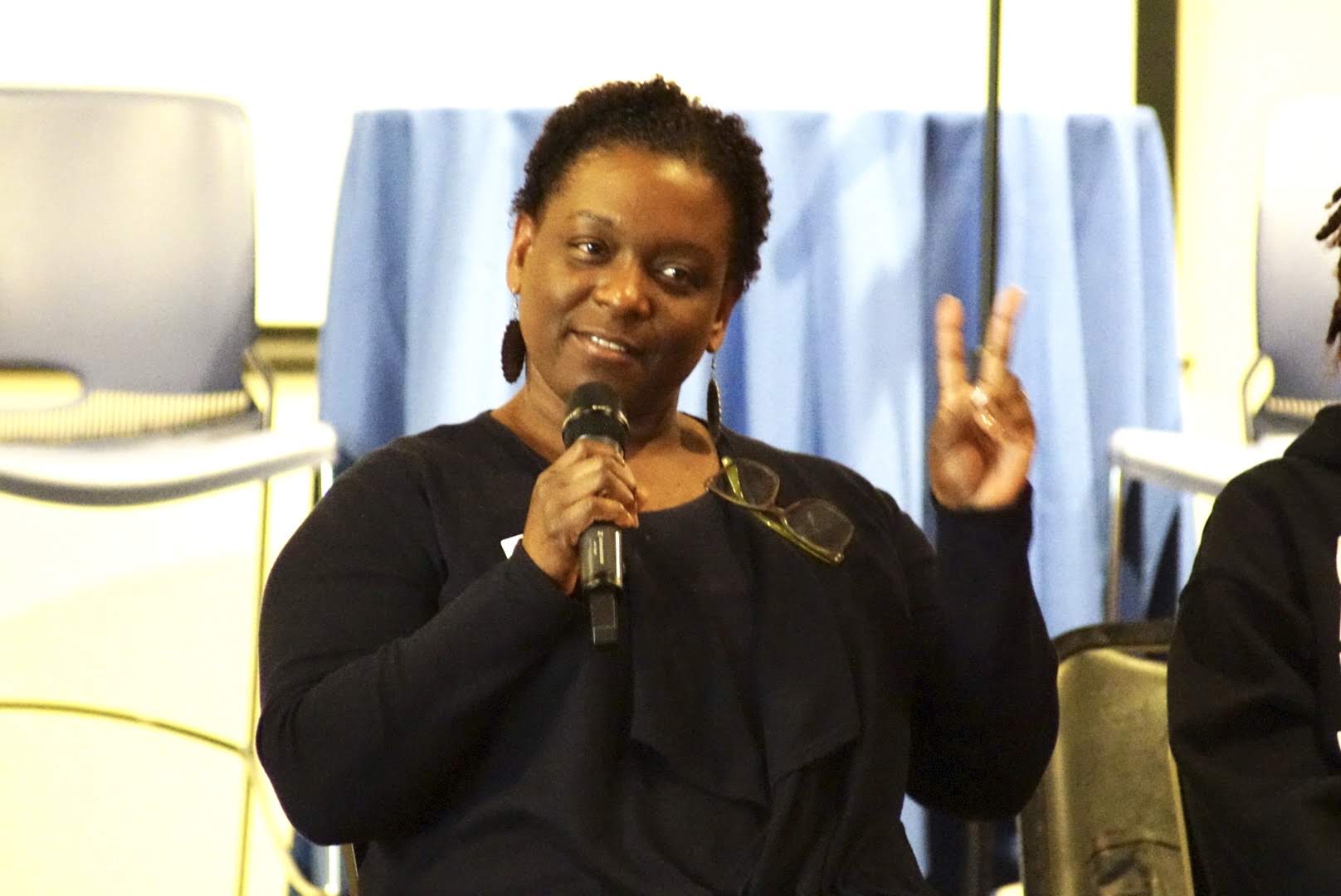
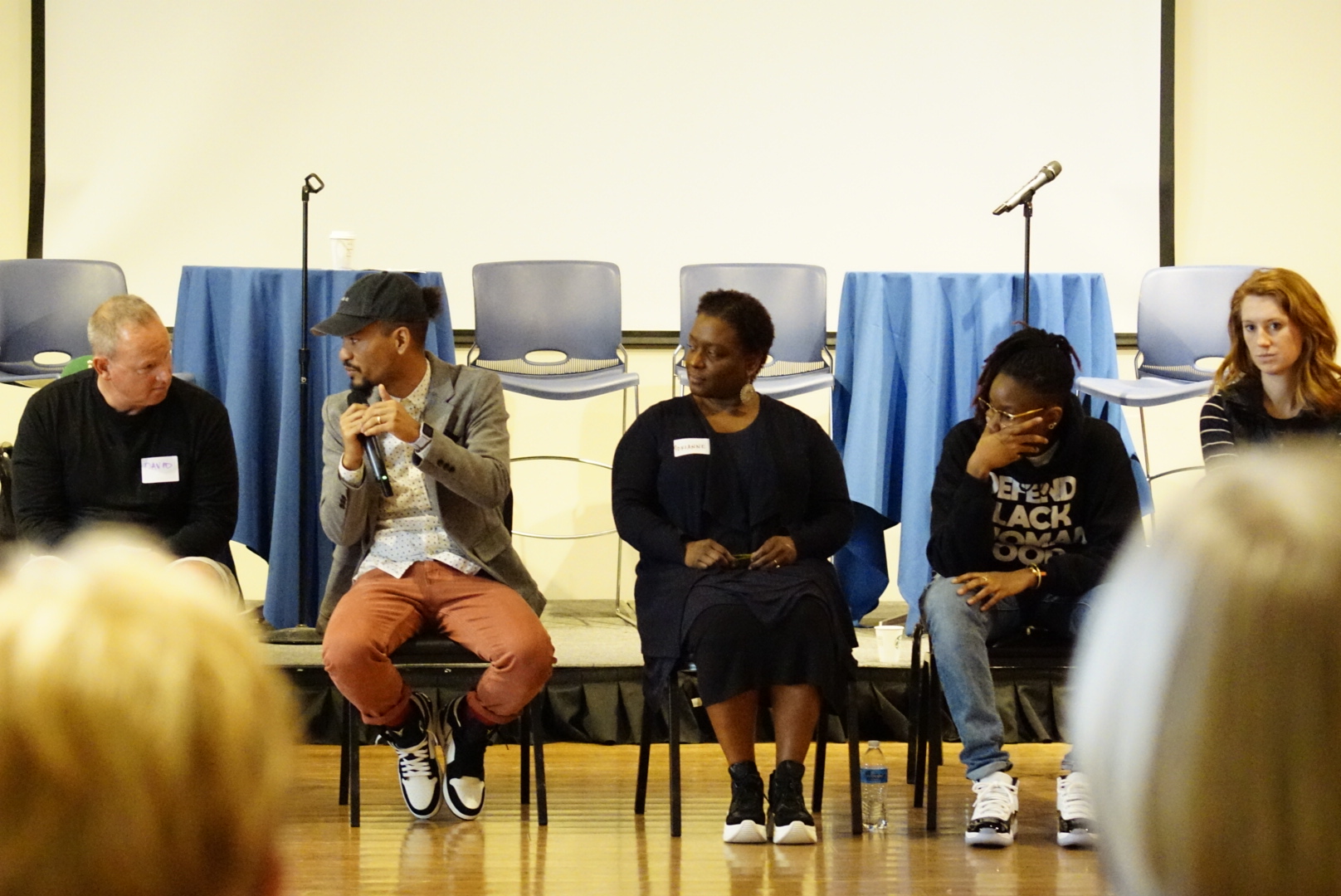
Organizing: We closed our workshop with a Q&A with Adrianne Shropshire, founder and Executive Director of BlackPAC and friend of Common Purpose. A more candid conversation than her previous visit, Adrianne provided her genuine perspectives on the Presidential race, political upheaval in Virginia, insight on the future of Stacey Abrams as well as very relevant guidance to CP volunteers and leadership.
Be on the lookout for more info from us on upcoming Common Purpose workshops and events!

Begin again...
Common Purpose didn’t start in 2018.
It started with newly heard voices walking the streets of DC in 2017.
…with outstretched hands at an airport in Seattle
…with a pilgrimage to the south
and a university lecture.
It started in the living room of concerned neighbors.
And again after consoling a worried child.
It started with a conversation over dinner, and a promise between friends
…with a determined group of young leaders
…and with unsure feet to unfamiliar pavement, brave hands to waiting doors
Common Purpose didn’t start in 2018. It started again.
This January 2019, it starts yet again in an effort to continue helping people utilize their civic voice, and to help them become multipliers for others to do the same. Because ours is not to finish this fight, but to ready ourselves to continue, now and into the future.
To fall and rise again.
To win and begin again.
Join us.
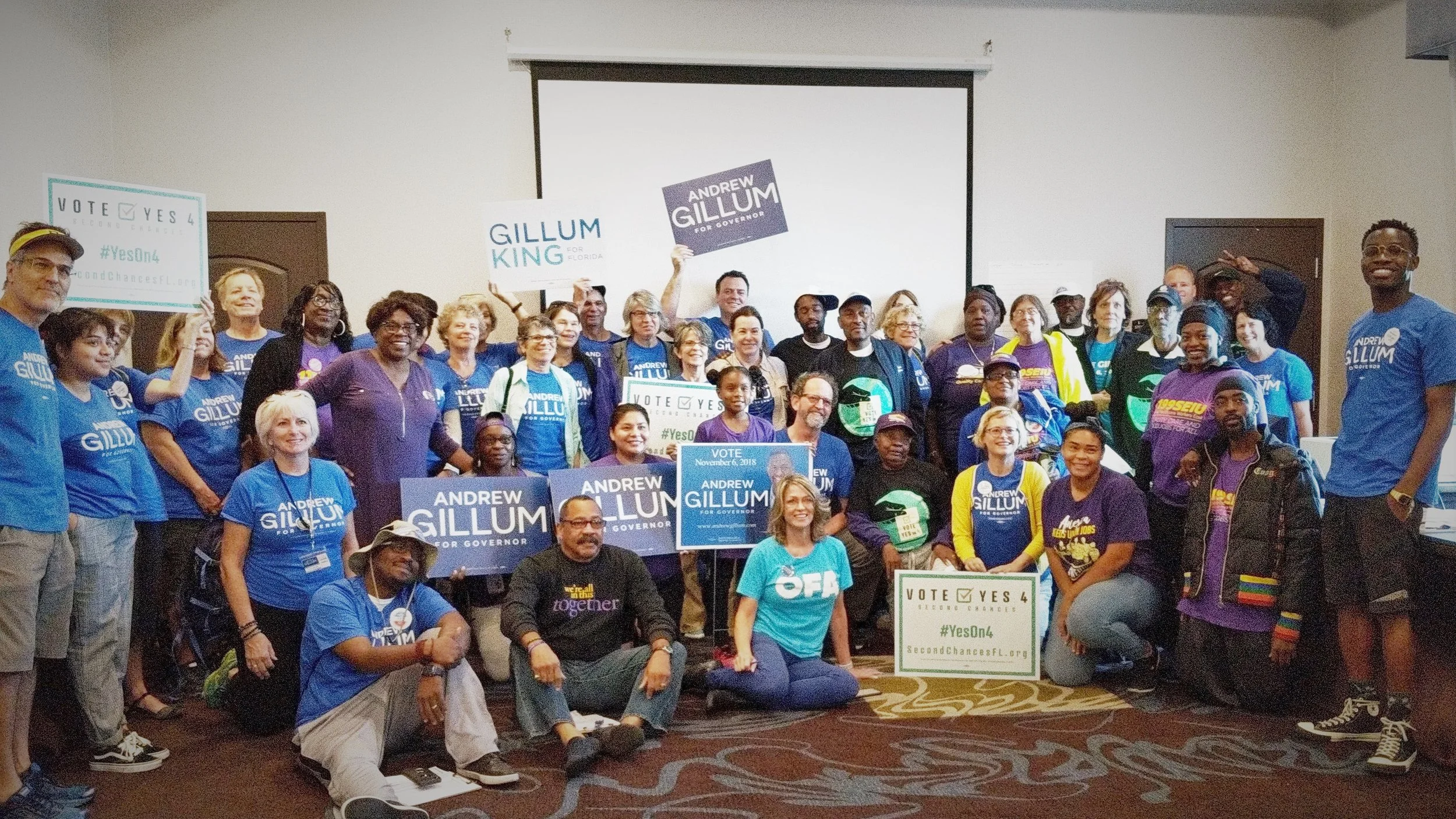
A Movement, Not a Moment, in Pinellas County, Florida
By the time our four days of canvassing in partnership with Organizing For Action and Local 1199 ended, we had collectively knocked on 8,000 doors!…
From the start, Common Purpose committed to work alongside local partners wherever our teams deployed. This meant that finding a Florida organization willing to work with us my first challenge as state captain. This was back in the spring, during Wave 1. We had no track record, no online presence, no famous names or big pocketbooks behind us. What we had was a commitment from hundreds of volunteers who promised to be trained and were eager to work toward an inclusive and engaged democracy. We also had a clear philosophy about cooperating with local partners, with two core tenets: identifying partners who deeply know the communities we aim to serve, and taking a supporting role. While the local partners lead, we amplify and add capacity to their work.
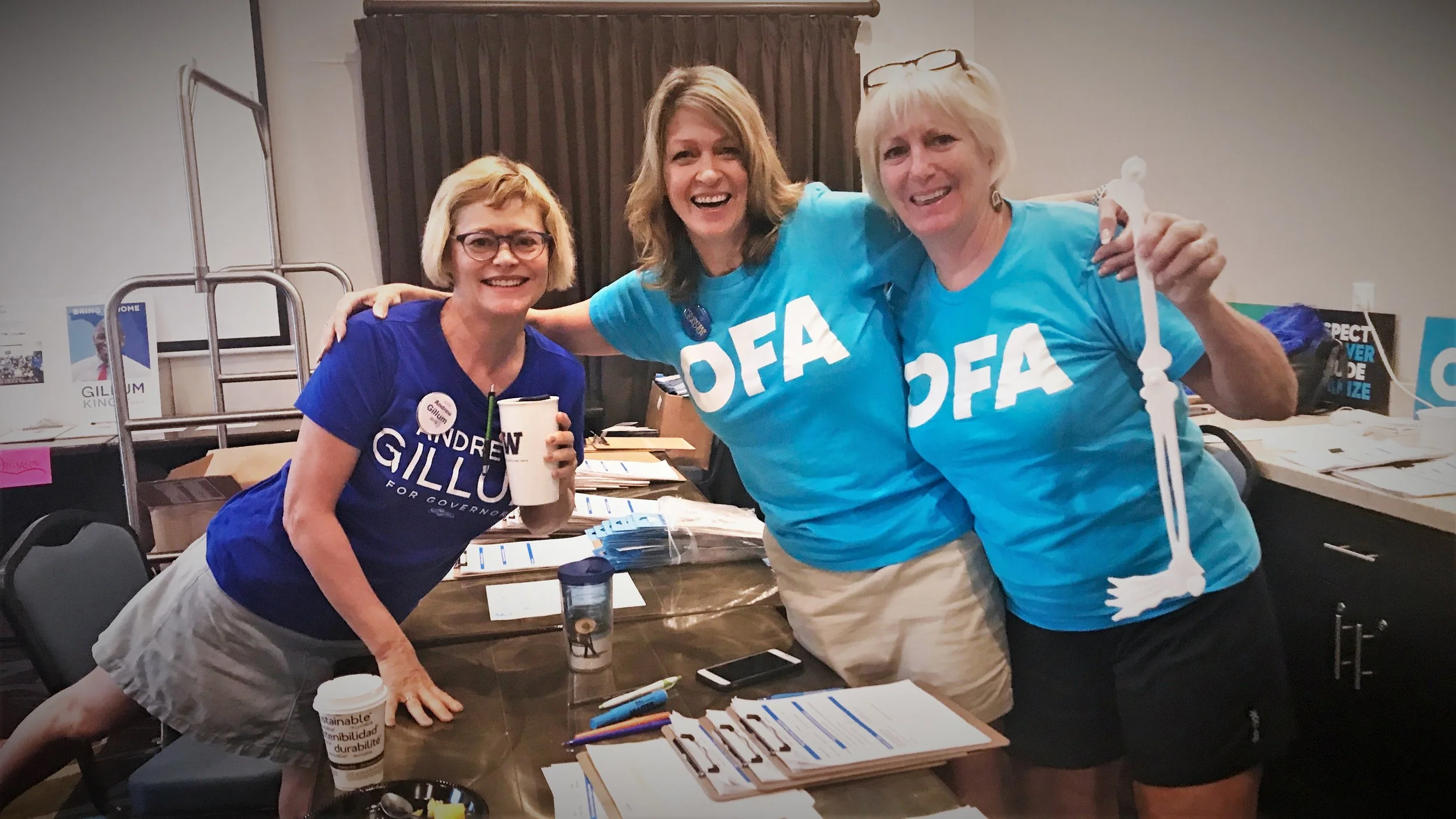
Most of the organizations I contacted about working together never responded. Those that did were friendly enough, but didn’t seem to believe the offer of help, our promise to follow their lead, and our commitment to pay our own way. Time was tick-tocking along, but I still hadn’t found a local partner. Finally, Seanna Browder attended an Organizing For Action (OFA) training session, and asked the leader whether OFA might need help in Florida. Seanna’s question turned out to be a critical turning point.
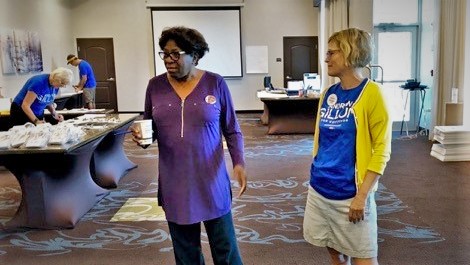
OFA Florida Volunteer Lead Malanda Schmitz shared our commitment to inclusive democracy, immediately grasped our goals and welcomed Common Purpose to work with OFA. In June, twelve Team Florida volunteers spent a week registering voters in St. Petersburg, Pinellas County, 608 square miles with almost a million residents. Or trying to. In the economically disadvantaged neighborhoods where our team deployed, many of the people we encountered reported they couldn’t vote. All too soon, Common Purpose members learned “I can’t vote” was code for “I committed a felony and am banned from ever voting,” a topic we’ve written about here.
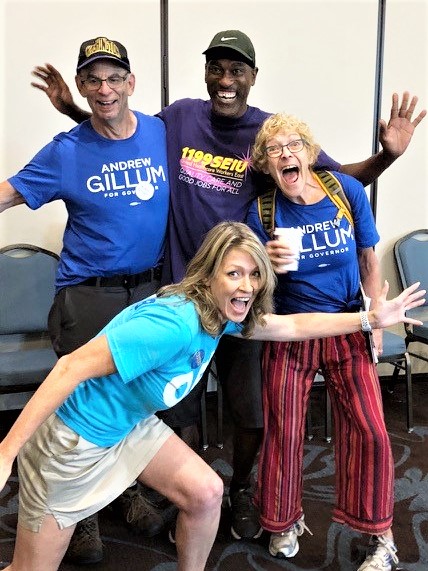
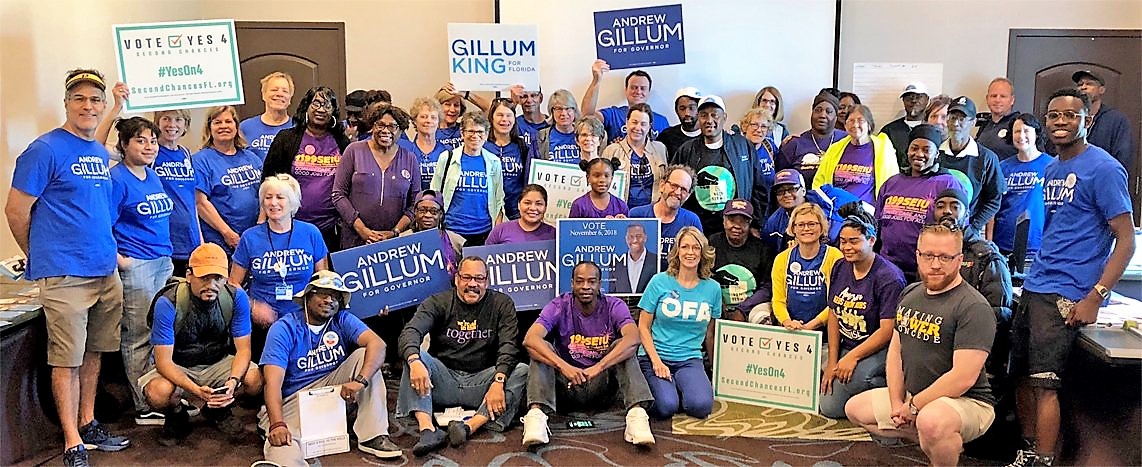
At the end of October, nineteen of us again touched down in Pinellas County. We spent the final days before midterms getting out the vote in economically disadvantaged communities filled with low-propensity voters. We canvassed for Andrew Gillum for Governor, Bill Nelson for U.S. Senate and Amendment 4, which would restore voting rights to people convicted of a felony who had served their sentence.
Knowing our goal was to serve under-served communities, ideally in collaboration with people of color, Malanda found the perfect partner for us: a local chapter of a healthcare workers’ union whose members are majority female and African American. 1199SEIU’s Regional Director, Clara Smith, turned out to be a compelling and savvy organizer who had grown up in St. Petersburg and knew how to enlist, train and deploy campaign workers. Team Florida was matched in teams with Local 1199 canvassers and sent out to cover turf that many of the local canvassers knew intimately. It didn’t take long for those in Common Purpose to find ourselves in awe of the talents, commitment and work ethic of those with whom we were knocking on doors.
• Steven, a poet/rapper, who at the conclusion of the first day brought a number of us to tears singing an a cappella song he had written about single moms staying strong.
• Emily, raising 4 kids on her own while working the night shift. After our work ended, she confided her fears that we might feel uncomfortable in our turf because Florida is in the deep South and there are a lot of older White people there who are still racist. She was surprised and pleased that we jumped in and ended up really enjoying the time with us. We were in awe of all that she was managing in her own life!
• Chuck, currently unemployed and eager to find work to support his wife and kids, won over everyone with his sweet smile and great work ethic. When a couple of Common Purpose members helped him look into job opportunities, the challenges he faces in terms of lack of access to and familiarity with technology brought home the barriers the working poor face.
• Jerome, an ambassador of sorts in his neighborhood, who everywhere we went seemed to encounter people who knew and liked him. He was relentless in engaging with potential voters about their right to vote. In addition to his talents of persuasion, Jerome was also a terrific source of restaurant recommendations. Over one of our delicious lunches, we asked how he became so aware of the importance of voting. He shared how when he was growing up during the Reagan years, an elementary school teacher had explained just how important voting was, and he had decided that when he grew up, that was something he was going to do. (Shout out to all you educators: your lessons really do matter!)
By the time our four days of canvassing in partnership with OFA and Local 1199 ended, we had collectively knocked on 8,000 doors! The energy and determination of our partners had inspired us, and exciting ideas for cross-pollination and future collaboration bubbled up amongst OFA, Common Purpose and 1199SEIU leaders. After our week in Pinellas County, what resonates most is a sense of deep admiration for the local people we partnered with there.
The day after the election, Common Purpose General Manager David Domke wrote to Malanda and Clara Smith of 1199SEIU, “We were with you yesterday, and we’re with you today. And we’ll be with you tomorrow.” The campaign was ending, but as our Team Florida member Bobbi Geiger continued to urge, we are not engaged for a moment, but rather in a movement.
Written by Amy Sommers.
"It ain't over 'til the last vote is counted."
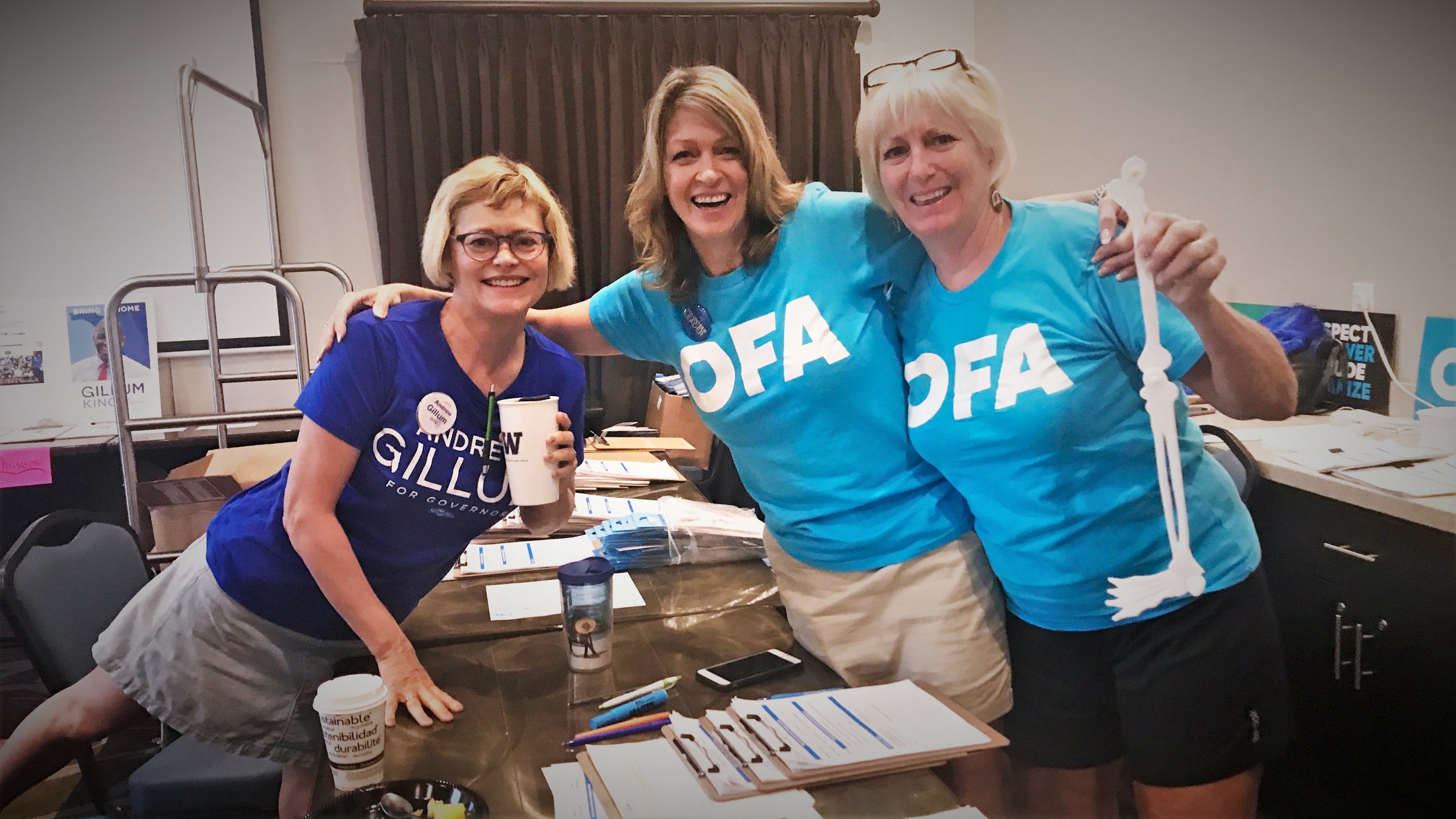
Team Florida was warned that first night (which seems like a lifetime ago), huddled in Andrew Gillum’s cramped, sparse strip mall campaign office. Marcus, the campaign manager for Pinnellas County, gave us the lowdown: “It ain’t over ‘til the last vote is counted.”
Florida swings on one percent of the vote. A mere 250,000 votes make or break a campaign, and will determine if Andrew Gillum is the state’s first African-American governor or Bill Nelson remains a moderate Democratic voice in the Senate. Team Florida was warned that first night (which seems like a lifetime ago), huddled in Andrew Gillum’s cramped, sparse strip mall campaign office. Marcus, the campaign manager for Pinnellas County, gave us the lowdown: “It ain’t over ‘til the last vote is counted.”
Volunteers Malanda and Shayne headed up the Organizing for America (OFA) effort, while Clara, the Local 1199 union rep, managed to get local volunteers from south St. Petersburg to pound the pavement with us. These women worked their butts off, morning to night, getting the vote out. Every morning they prepared the turf we were going to conquer that day.
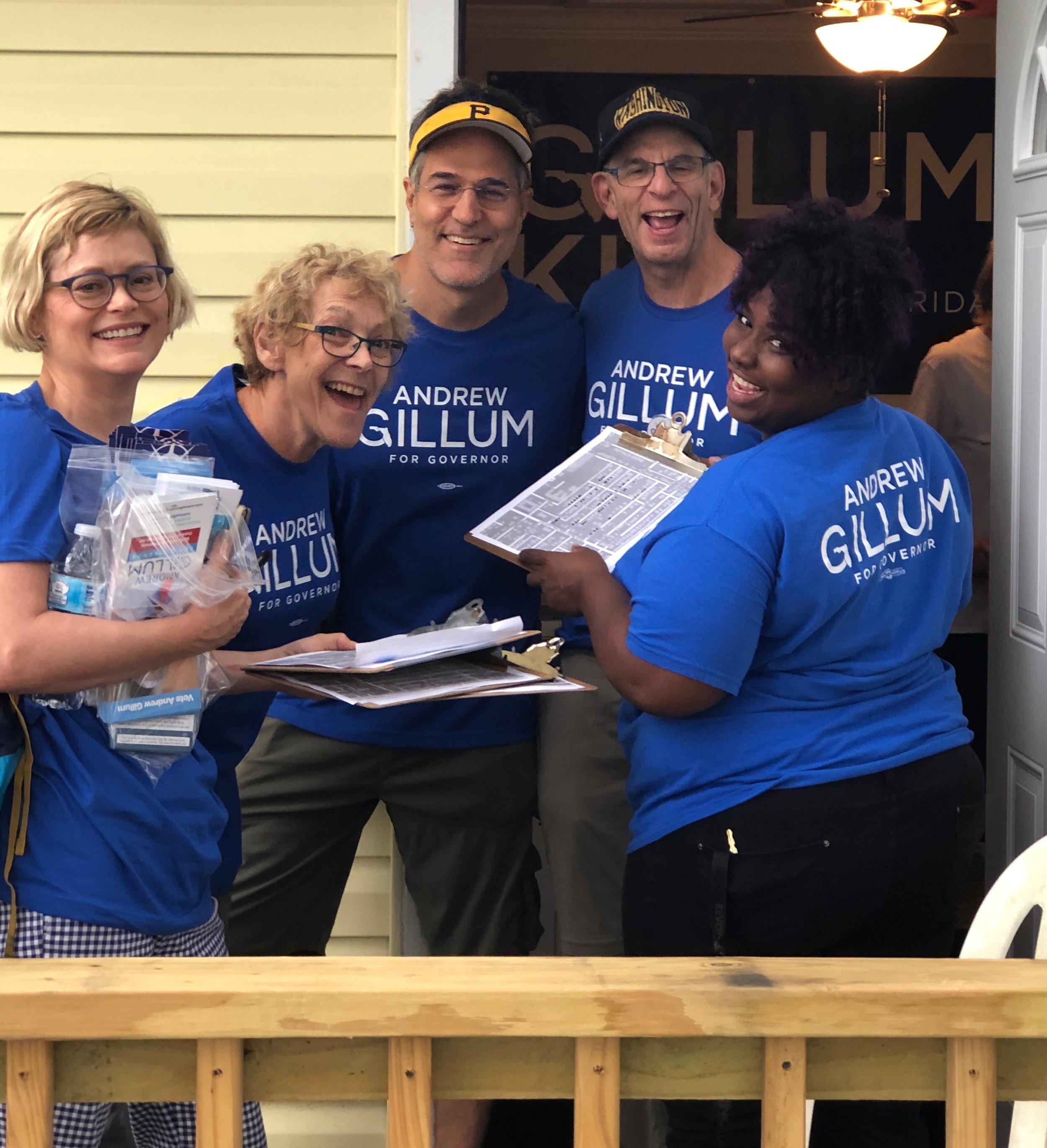
It was hard work. Door after door in the heat, and when you finally got one that said “Yes, I’ll vote,” or “I’ve already voted,” you wanted to hug them. We hit neighborhoods three times. The first round was: “Did you get a ballot? Are you going to vote?”. Next was “knock and drag,” bringing a voter to the polls or helping them design a plan to vote. One of the doors I knocked on was answered by an older gentleman from Jamaica, who was visiting his brother. He spoke in a lilting accent. “The world is watching. We are all watching you,” he said. “This election is not about Donald Trump but about which direction this country will take.”
Election Day dawned hot and clear. We reported at 7:30 am to the temporary mission control across from Tropicana Field, where the Tampa Rays play baseball. Our mission: a no-holding back, no bullshit, no excuses, “get your butt to your precinct and VOTE!” effort. Malanda explained it was like wringing a wet towel: each time you squeeze, more water comes out. Every last drop is precious when there is less than one percent difference between winner and loser.
Amy Sommers and I paired up to tackle the turf further out toward the Gulf. This was a very suburban, well-kept neighborhood with a golf course running through it that required miles of walking, according to Amy’s Fitbit. Dang, we sure worked up a sweat, and by 9 am, we took shelter under a tree and assessed our strategy. As we cooled down, we waved to all the ladies driving by in their golf carts, heading to the links.
And of course, they waved back. We may have had our Andrew Gillum blue t-shirts on, but we were nice ladies just like them. This neighborhood didn’t scream Republican. In fact, the few political signs I saw were for Gillum or Second Chances, the initiative that would restore voting rights to felons. Why weren’t we knocking on their doors? Had all these people already voted?
This is the point where either I became delirious or had an aha moment. We need to get those women out of their golf carts and pounding the streets like Cynthia Issac, a lifelong resident of south St. Pete and my partner during the second half of the day. Cynthia cares for her ailing father and a special needs grandchild, as well as raising two other grandchildren. She took time out of her busy life to get out the vote because it’s the one thing that can make a difference and where color or income doesn’t matter. Cynthia believes that the vote is one way to change a system that isn’t working. At the end of the exhausting day, she turned to me and said “I want to do this some more. Where do I sign up? Where do I join a group like yours?”
To inspire people, to empower people to make a difference is the power of groups like Common Purpose and Organizing For Action. It’s how we are going to turn this country around. It’s not just one person, one group, one party that will right the course but many of us working together that will make a difference. While I hope the results in Florida, Georgia, and Arizona swing toward blue, I am ready to go again. This battle is more than one election.
Written by Seanna Browder.

"Now, you vote. You vote for me because I can't." Restoring Voting Rights in St. Petersburg
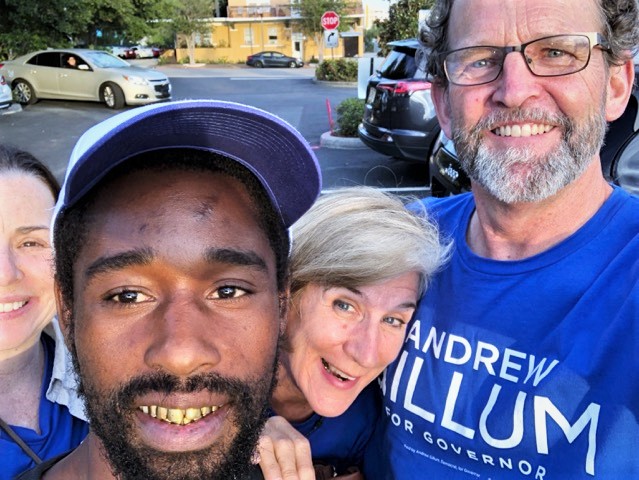
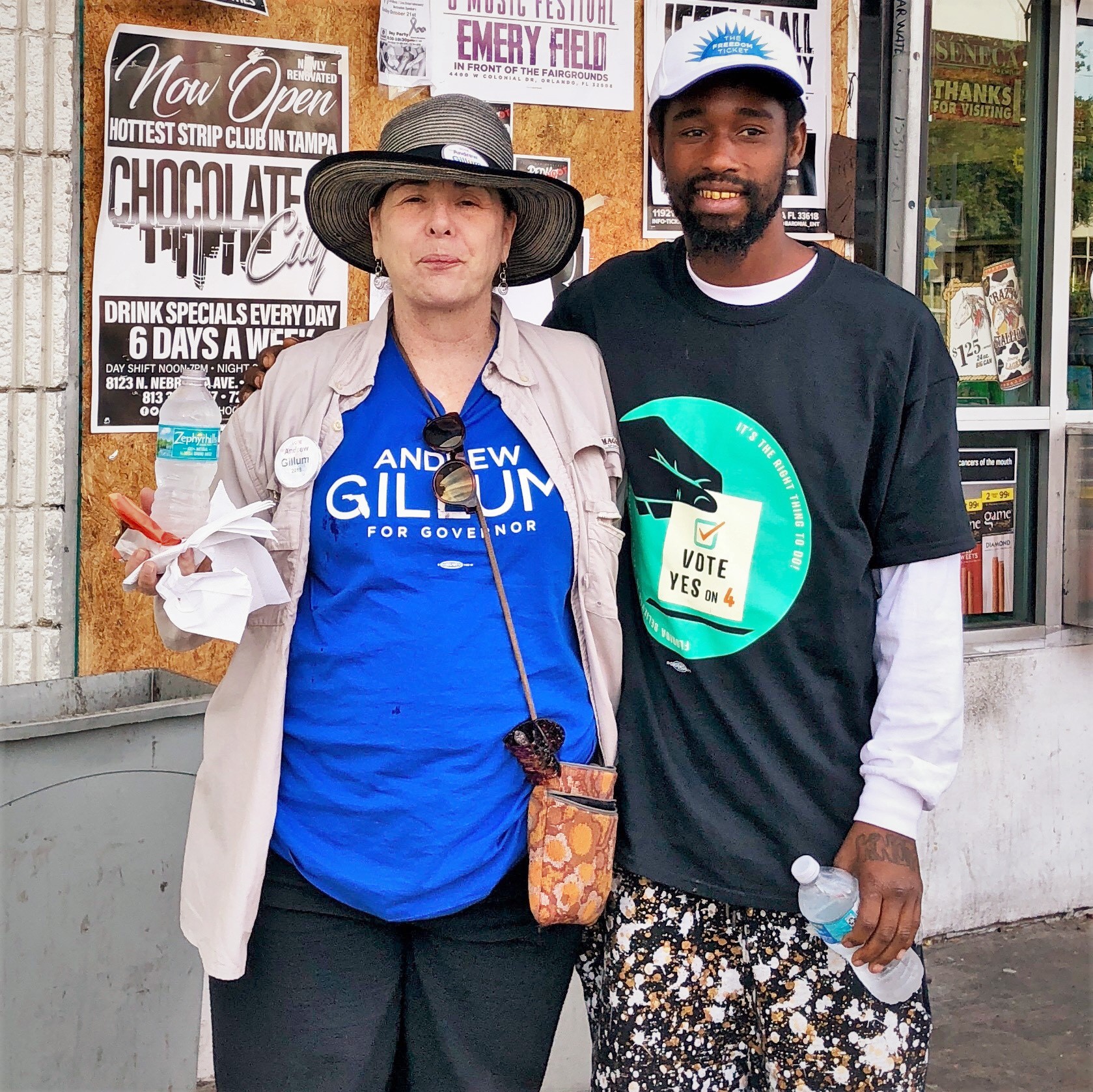
James is a lifelong resident of St. Pete, and has been my partner for the past two days in getting out the vote. James is adamant while talking to voters. “Now, you vote. You vote for me because I can’t vote. It ain’t right. I made a mistake and I’ve been paying for it all my life. I want to vote. That is why I am out here. You gotta vote for me.”
James is a lifelong resident of St. Pete, and has been my partner for the past two days in getting out the vote. He’s part of the Local 1199 group, which has teamed up with Common Purpose’s partner Organizing for Action to bring people to the polls in Pinellas County, Florida. It’s exciting times here in Florida. Andrew Gillum is running for governor and could be the first black governor in the state---EVER!
Making history is fun, but for James it’s real. He committed a felony in his youth and hasn’t been able to vote in 30 years. He’s only cast one vote in his entire life. This makes him the best spokesperson for ballot amendment #4, Second Chances, that will give the right to vote back to 1.4M Floridians who have committed felonies and served their time. James knocks on doors wearing his T-shirt that reads, “Florida believes in second chances. It’s the right thing to do.”
James is adamant while talking to voters. “Now, you vote. You vote for me because I can’t vote. It ain’t right. I made a mistake and I’ve been paying for it all my life. I want to vote. That is why I am out here. You gotta vote for me.” Often, people behind the screendoors we approach are in the same predicament as James. “I can’t vote,” they mumble or snarl, but when they hear James’ story, they open their screens.
A St. Pete resident for more than 56 years, James knows everybody, it seems. His mother and grandparents live here. We cruise the streets and he yells out the window to folks or they yell to him. I am riding with a celebrity and start to wave out the windows, too. One time we go by a group of his buddies and I shout, “Go vote!” James chuckles and tells me I am messing with them.
We encounter all types of people as we knock doors east to west, south to north. There is the caretaker whose elderly charge wants to vote, but she is confused about where. No wonder: voting in Pinellas County is tricky. You only have so many days to mail in your ballot - which costs 71 cents in postage, by the way. You can early vote in person at the courthouse or in Gulfport but that ended November 4. You can’t vote Monday, November 5. And if you vote on Election Day, you can only vote in your precinct. Voter suppression is subtle.
Late Saturday afternoon we hit a huge apartment complex, maybe 500 apartments, with a numbering system that makes no sense. I’m ready to throw in the towel, but James won’t quit. We find a young man who hasn’t voted because he didn’t know where to vote. We give him the necessary information and he thanks us, shaking my hand. I almost cry. All my frustration and fatigue disappear in that moment. Convincing young people that their vote counts has been the biggest challenge. His response was a gift.
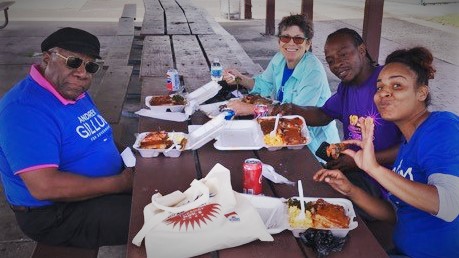
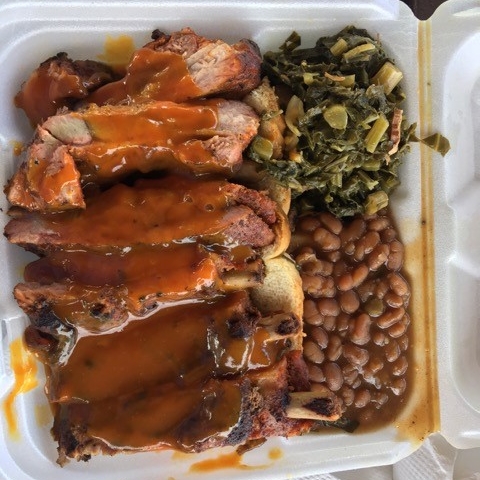
It’s not all work. James takes me to the best hole-in-the-wall restaurants for lunch. The deal is, I pay for lunch and he pays for gas. Saturday, I had a blackened shrimp salad, and Sunday, short ribs in a Jamaican place. Ice cream trucks come down the streets of the “good” neighborhoods and I get so excited because I won’t see an ice cream truck until July. I discover flip cups: frozen cups of juice that you drink until you flip the frozen mass over to create a slushie. So delicious! Good thing we are walking a lot.
Now it is Monday, one day before Election Day. I will be missing my wingman, as James returns to his day job, but hopefully the education he gave me over the weekend will pay off as we hit the streets once again.
Written by Seanna Browder

“Voting is the Way We Fight”
“Some folks, in this political climate, are scared of making themselves traceable to government in any capacity. They want to avoid any interaction with a hostile administration.”
In Ohio, voters know their vote matters – and they face real challenges making their voices heard. That’s why state captain Josh MacKintosh was eager to return, after working in Toledo for Hillary in 2016. “2016 was my first experience going to a state where everyone is fighting for your vote,” Josh recalls. “It’s completely different from Seattle, the way the culture works around voting and elections. In Ohio, people want to know their representatives are going to be fighting for them in Congress. It’s so, so critical we fight for Democrats in that state.”
Ohio doesn’t make it easy to vote. Voters must show ID at the polls, and can be purged from the voter rolls for skipping an election. Hundreds of thousands have lost their right to vote this way, particularly among low-income communities, people of color and youth. “We take ID for granted, but it costs money to get one,” Josh shares. “Some folks, in this political climate, are scared of making themselves traceable to government in any capacity. They want to avoid any interaction with a hostile administration.”
Volunteer Suzy Kellett canvassed in many immigrant and refugee communities. “A lot of people in these apartment complexes didn't want to answer their door. Most of the men were out working, and women were at home with their children. They’re scared of ICE and terrified of Trump.” At one door, Suzy met a young Somali woman who invited her in and said she wanted to volunteer. “She said, ‘I know everyone in this complex, I want to help my people get out to vote.’ She needed help, because she didn’t know how to do it, but she was willing.” Suzy connected her with Campaign for Ohio, the local Democrats.
At many doors, people didn’t realize they were eligible to vote. Team Ohio let them know they could, and helped them come up with a plan. For those without an ID, they advised that during early voting, an ID isn’t necessary. Liz Strain noted how much voters appreciated the ability to vote early. “These were hard working families and it seemed clear they would not be able to vote without the weekend options.” Audrey Vaughn and Constance Wettack each spoke to someone who thought they couldn’t vote due to a past felony conviction, but were so excited to learn they can. Constance recalls, “I was glad to tell him he can vote and we need him!”
The Columbus area is racially diverse, with large refugee and immigrant populations. Some Common Purpose volunteers were paired with local volunteers for their daily canvassing, many of whom were members of those communities. Suzy Kellett visited a local Bhutanese family that she had mentored near Seattle, when they first arrived in the United States after 17 years in a Nepalese refugee camp. They were thriving in the large local Bhutanese community and thrilled to reconnect. Suzy shares, “One of the sons, Laxmi, has always been very involved in everything. When I saw him, I asked if he'd consider being a contact with Democrats for the Bhutanese community. My hope is that Laxmi will make sure the Bhutanese community around Columbus will vote.”
Team Ohio’s most important goal was getting out the vote, but Josh hoped that Common Purpose volunteers would find “a new perspective on what voting is to so many people,” in a state where voters fiercely value their vote. Ohio voters take their job seriously and think deeply about the meaning of their vote. As one voter told Constance, “Voting is the way we fight for our country.”
Written by Christena Coutsoubos
Knocking Doors for Beto in Dallas
“This finely tuned campaign machine has been building momentum for THIS weekend: the first and only full weekend of the Texas early voting period.”
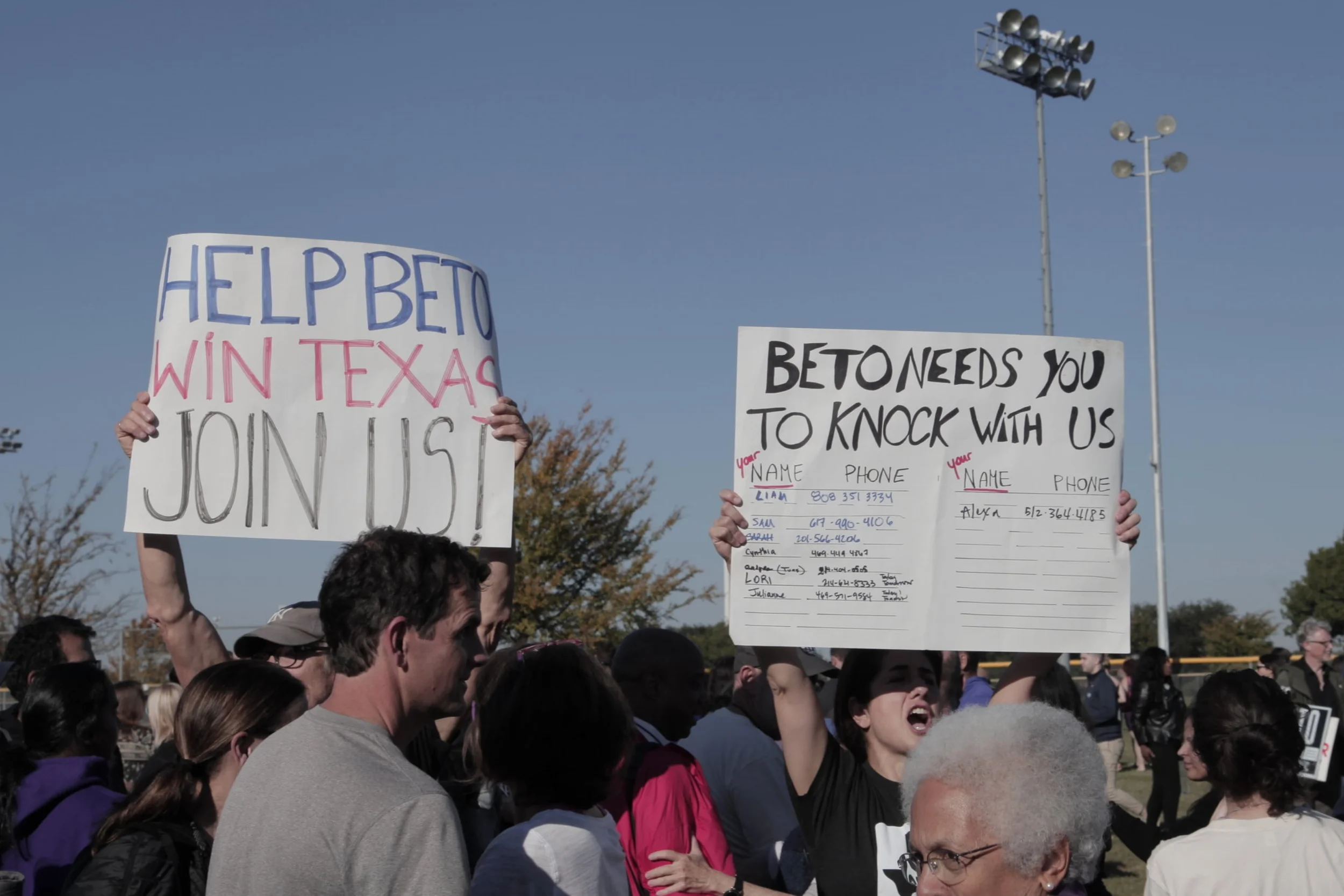
We attended the Friday morning briefing at the campaign office with a dozen people. This finely tuned campaign machine has been building momentum for THIS weekend: the first and only full weekend of the Texas early voting period. More volunteers were expected throughout the weekend and excitement was high. Campaign staff shared a great surprise: Senate candidate Beto O’Rourke and civil rights hero Rep. John Lewis would be visiting our community outside Dallas for a rally on Saturday morning!
Our first order of business was to get trained on the canvassing operation. The goal was simple: the campaign had identified about 5M infrequent voters in the state that would lean toward Beto, and they need 1M of them to win. We were to talk people through making a plan to vote during early voting. Our training took about 75-90 minutes, led by a volunteer from LA who shared a personal story about health care access, which inspired her to fly all this way to volunteer on the campaign. We grabbed swag for the team – buttons, t-shirts, stickers – and headed out to canvass our turf.
After a day of energetic door knocking, we were thrilled to attend the rally on Saturday morning. Our goal: turn excitement into action by recruiting volunteers from the adoring masses. We made signs to attract new volunteers. We were lucky to witness the rally and to have our very own photographer with us to capture it, Troy Bonnes. I would describe the rally, but Troy's photos do a much better job of that. I encourage you to flip through them, below.
Going to a polling location is somewhat foreign to us vote-by-mailers. There were campaign tents set up in the parking lot for competing campaigns – beyond the legally-required 100 foot line, of course. Candidates for county commissioner and justice of the peace were pulling up to campaign. The mood seemed combative until we started talking to people and learned that they like Tex-Mex and BBQ just as much as we do – and they don't like divisiveness any more than the next person.
We made our way over to another turf and hit the doors one more time before lunch. We had a great conversation with a 3rd or 4th generation Mexican-American man who wanted to know if Beto was the real deal or just a fake. We assured him the best we could and I think we won.
All in all, we walked away feeling like we did some good. Not only for Beto's chances, but for our own mental health and well-being. We want election night to go in our favor, but however it turns out, we can look back and say we didn't sit idly by. And that's “BETO” than nothing. Hehe…
Written by Sylvester Cann, Photographs by Troy Bonnes


Engaging the New American Majority
Common Purpose leader Wole Akinlosotu speaks with CNN’s Van Jones about finding common ground during divisive times.
Wole Akinlosotu is an avid follower of news and politics, so the opportunity to meet CNN host Van Jones as part of Common Purpose’s leadership team was too good to pass up. “One thing that impressed me was the fact that he‘s been doing a lot of community organizing and a lot of groundwork since he was a kid,” says Wole. “That inspired me - hearing about some of the bigger things he's accomplished while he was young.” Jones was in Seattle to talk about Initiative 1631, the carbon fee, and agreed to speak with young leaders from Common Purpose and another local organization at a private residence.
Wole works on marketing and media for Common Purpose’s Ristretto, an event series to reach oppressed and underrepresented groups, including young people of color and young women – the “New American majority.” Voter registration was the focus of the first Ristretto, which featured great food, drinks and a DJ. Wole explains, “Another goal is to create a community of young people that are passionate about what's going on in their communities, giving them an outlet to learn about how policies will affect local communities. They’re bringing new energy to the conversation.”
His work with Common Purpose, and opportunities like talking one on one with Van Jones, are helping Wole as he considers his next steps after college. “It's good to be around other professionals that are passionate about civic engagement. It allowed me to see if you trust the process and start young, that hard work doesn't go to waste. That reassured me as I'm graduating and figuring out what I'm supposed to be doing.”
In the meantime, Wole is keeping busy with Common Purpose. He’s heading to Tampa with Team Florida to GOTV to restore voting rights in early November. And the next Ristretto is October 30th, featuring a panel discussion with community organizers and political activists, and a DJ and costume contest to keep things lively. He encourages Common Purpose volunteers to spread the word among the under-30s in your families and networks. Anyone interested can RSVP here.
Beyond the midterms, Wole is thinking about the future. He’s looking into fellowships that will allow him to travel, and considering how to evolve Ristretto to fulfill its mission. And he’s mulling over the difficulty and importance of finding common ground during divisive times, something he had the opportunity to talk about with Jones. “All we can do is tell our story. I really feel like storytelling and sharing where each side is coming from is the answer to starting dialog,” shares Wole.
"What is it to be a Democrat?" Talking to first time voters in Las Vegas
“There was an overwhelming amount of enthusiasm. Even if they didn’t know where to vote, they were asking for pamphlets and they were determined to vote.”
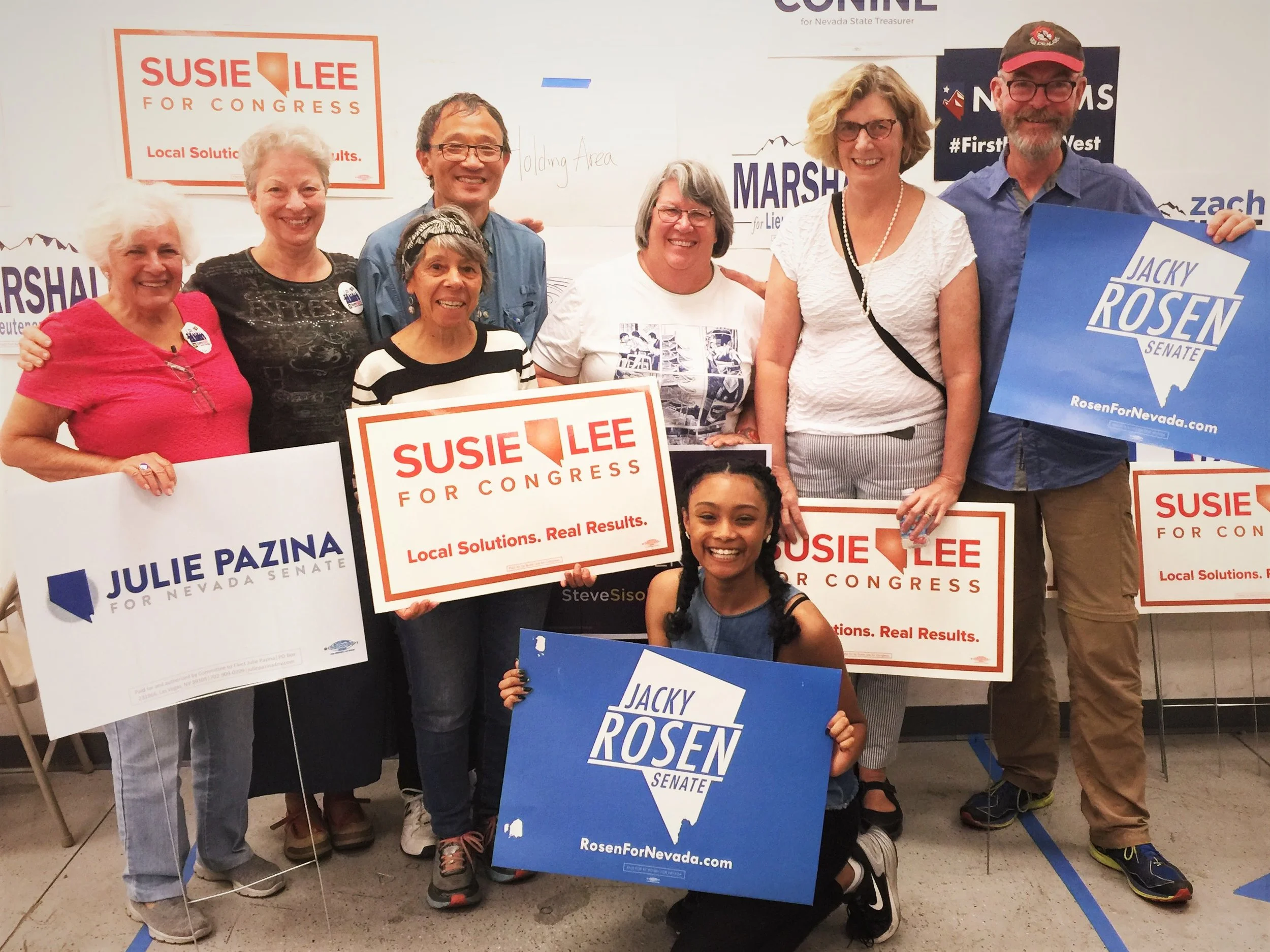
The Latinx* community is quite likely to vote blue, but Democrats have historically done a poor job turning out the Latinx vote. Team Nevada helped tackle that gap by canvassing in the largely Latinx and Black neighborhoods of east Las Vegas. Working alongside the state Democratic party and the unusually strong local Culinary Union (described by its spokesperson as the state’s largest immigrant organization), their efforts are key to winning the Latinx vote for the midterms.
“It’s been extraordinary,” said Suzanne Olsen, “the reaction we’ve gotten, the appreciation for getting early voting information out to people.” A large percentage of voters they spoke to had never before experienced personal outreach and were eager to have their voices heard. Shelly Crocker recalled walking up to a home where six men in their early 20s were hanging around outside. “They were all going to vote Democratic, and they were going to do it soon. They weren’t even on my list!” One voter already had voted Democratic and had a message for the opposition: “We’re not an angry mob. We’re angry moms, angry grandmothers, angry daughters.”
Nevada is attracting national attention for its Senate race, with Democrat Jacky Rosen poised to flip a seat currently held by a Republican. In fact, former President Obama and Vice President Biden both visited to support Rosen’s campaign while Team Nevada was in town; President Trump had stumped for her opponent a week earlier. There is reason to believe the excitement and GOTV efforts may just lead to the hoped-for blue wave: turnout on the first day of voting shattered previous records.
In east Las Vegas, enthusiasm was high, but voters also had many questions. Volunteers were surprised by some of the challenges that voters faced. In Nevada, you can run an errand and vote at the same location – say, your local Albertson’s – but the early voting polling places can move from day to day. That makes early voting both convenient and confusing. Doug Coutts recalled speaking with a young man whose only internet access was his mother’s mobile phone. “I talked with him for 20 minutes. It was hard for him to access information about the election.” Another voter had vision problems and couldn’t see her ballot properly. Suzanne and Maria helped her look up information about the candidates.
A Canadian immigrant, Doug found speaking to new citizens particularly poignant. “For a guy like me who found it easy to become a citizen, it was touching to meet people who found citizenship much more difficult to accomplish. I met several people who had such pride for being American and being a new voter,” he recalled through tears.
At one home, a newly registered voter asked, “What is it to be a Democrat?” She had heard of President Obama and was excited about him, but she didn’t understand the nuances of our government and the political parties. Thanks to the local Democratic party, they were able to give her a ticket to see Obama speak the next day. Team leader Maria summed up the experience: “Voters weren’t feeling super informed when we knocked on their doors. But there was an overwhelming amount of enthusiasm. Even if they didn’t know where to vote, they were asking for pamphlets and they were determined to vote.”

Nevada, Day 1: Reflections from a Common Purpose Volunteer
Five of us are on the sunny flight to Nevada, seated together in a clump toward the back. We chat amiably on our quest for the rental car and arrive quickly at our Las Vegas hotel, a huge place designed to get you gambling, loud and smoky – but we are undeterred. Over a buffet lunch, we meet Nevada state leader Maria Abando and another team member who arrived yesterday.
It takes us awhile to get organized, but finally we are on our way to the East Las Vegas office of the Nevada Democrats, where things spring into action. Office head Christena left behind three children in California to help Democrat Jacky Rosen win this Senate seat. She has paid staff of a dozen young organizers, half from Nevada and the rest from around the country. They have very few volunteers, and they are thrilled to see us.
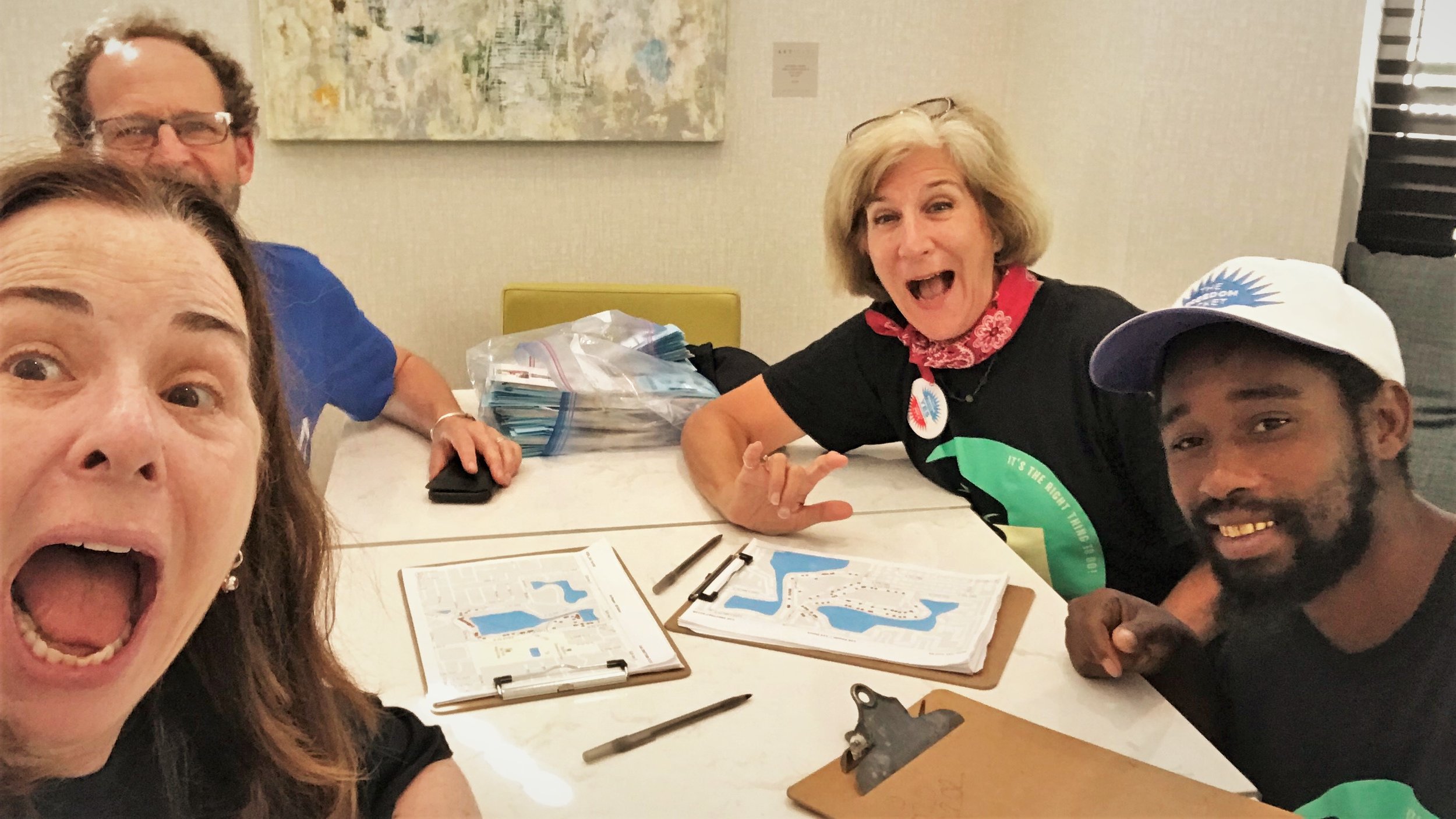
We are here to support early voting, which begins in three days. Our walk lists are of Democratic registered voters – more than 5,500 voters were newly registered in this district since last March. Christena trains us to help people document a plan to vote: pick a day, a mode of transportation, and identify where they will be coming from on their way to vote. Christena tells us that the Senate race in Nevada will be largely decided by the Latinx voters of this area in the first weekend of early voting. If we can get the vote out for Democrats, we can win the state.
We head out at 5:00pm into the neighborhoods of east Las Vegas. The light is already changing, but kids are outside and doors are open. The smell of dinner cooking greets me at several homes. My blocks are on a busy street, mostly fourplex apartments. Many are not yet home from work, but at some half dozen doors I am welcomed and together we make a voting plan. Twice I am warmly invited inside – something that has never happened in Seattle after knocking on thousands of doors.
Dark falls very quickly, just after 6:00pm, and suddenly it is time to end our work for the day. A lovely dinner at a local Mexican restaurant with the team ends our first day together. We head back to the hotel tired and looking forward to tomorrow.
Written by Shelly Crocker